
In the spring of 1514, Raphael Sanzio—already Italy’s most celebrated painter—looked up from his work at Villa Farnesina and saw Margherita Luti walking past. She was a baker’s daughter from Trastevere. He was 31, at the height of his powers, and commissioned by popes. The Raphael and Fornarina legend would produce some of Renaissance art’s most intimate portraits and end with his mysterious death at 37. Continue with our guides to what to do in Trastevere and the Basilica of Santa Maria.
Who Was Raphael’s Mistress from Trastevere?
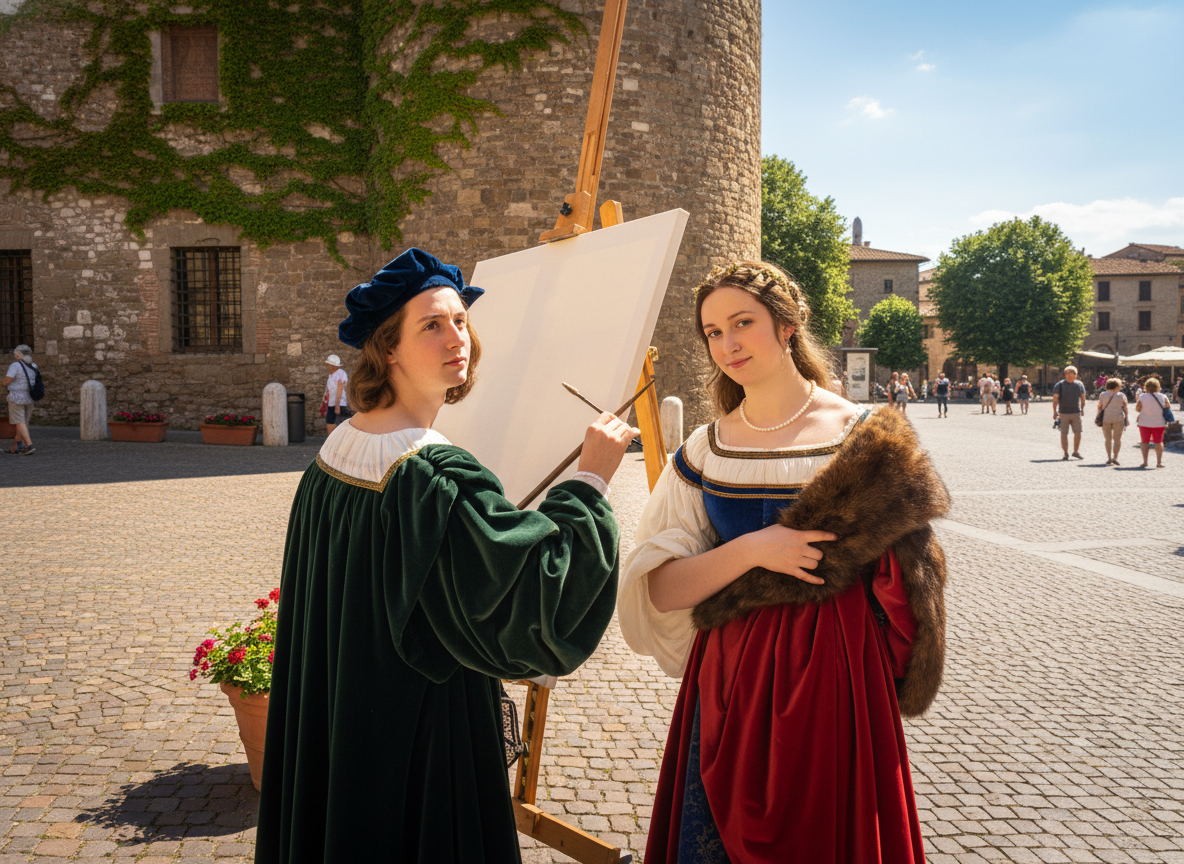
Margherita was the daughter of Francesco Luti, a Sienese baker operating near Santa Dorotea church in Rome’s Trastevere district. Unlike the noblewomen who typically sat for Renaissance portraits, she was a commoner—fornarina means “baker’s daughter” in Italian. Historical records confirm her father’s bakery and payments from Raphael’s accounts to the Luti family, but the exact nature of their relationship remains debated. The evidence lives in the paintings themselves.
Where Can You Walk in Their Footsteps?
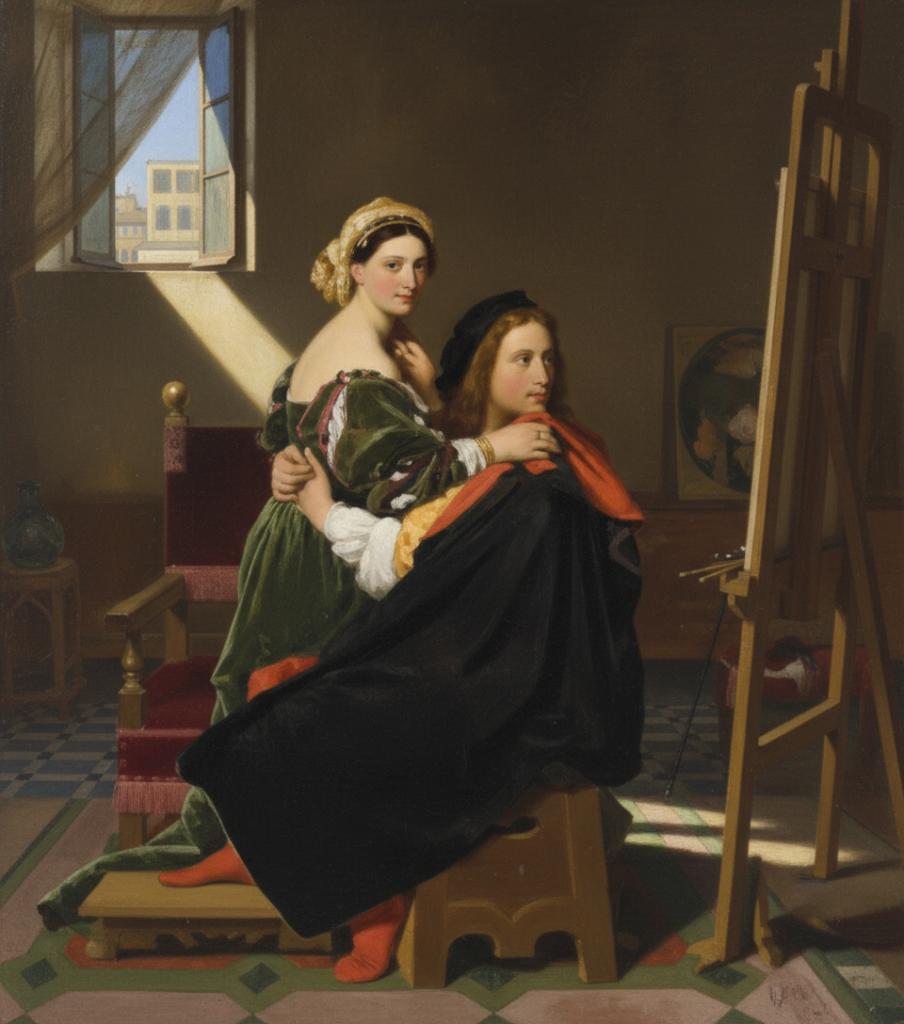
- Villa Farnesina (Via della Lungara 230) is where legend says they met. Wealthy banker Agostino Chigi commissioned Raphael to fresco the loggia in 1514. According to 16th-century accounts, the artist became so distracted by Margherita’s absence that Chigi invited her to stay on-site. The Triumph of Galatea he painted there—visible today—shows his work during their courtship’s early days. Visit weekday mornings for smaller crowds. Admission: €10.
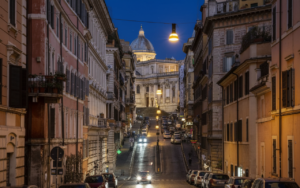
- The Trastevere district preserves its medieval character. Walk from Piazza Santa Maria in Trastevere along Via di Santa Dorotea, where the Luti bakery once stood. The cobblestone streets, ivy-covered walls, and golden evening light evoke the Rome where their story unfolded. Go at sunset—it’s free and atmospheric.
- Palazzo Barberini (Via delle Quattro Fontane 13) houses the most important evidence: the La Fornarina portrait. Open Tuesday-Sunday, 10 AM-7 PM. Book online to avoid midday crowds. Admission: €12.
What Do the Portraits Reveal About Raphael and Fornarina?
La Fornarina: The Most Intimate Portrait
Painted around 1518-1519, La Fornarina at Palazzo Barberini shows a half-naked woman gazing directly at viewers with unmistakable intimacy. She wears a pearl-trimmed turban and an armband inscribed “RAPHAEL URBINAS”—Raphael of Urbino—as if branded by the artist himself. Her left hand covers her breast in a gesture both modest and provocative.
This wasn’t a commissioned work for public display. Renaissance portraits of women followed strict conventions: profile views, symbolic objects indicating virtue, emotional distance. Raphael broke every rule. The painting’s unprecedented sensuality serves no allegorical purpose—it’s simply personal. A myrtle branch in the background symbolizes Venus and marital fidelity, possibly Raphael’s private declaration of devotion.
X-ray analysis revealed another woman’s face beneath the current portrait, suggesting revisions. Some experts question the attribution—whether Raphael himself completed it or if a talented apprentice like Giulio Romano finished it after his death. The armband inscription could have been added later. Yet the stylistic consistency across multiple portraits of the same woman, combined with documented payments to Francesco Luti in Raphael’s account books, suggests a relationship that transcended professional modeling.
La Donna Velata: Imagining Respectability
La Donna Velata (1515-1516) at Palazzo Pitti in Florence shows the same woman—now identified as Margherita—dressed as a respectable lady in expensive fabrics. The contrast is striking. Here she’s clothed, dignified, her gaze softer. Some scholars believe Raphael painted her this way to imagine her as his legitimate wife, the social equal he could never publicly claim in Renaissance Rome’s rigid class structure.
Did Her Face Become the Virgin Mary?
Look closely at the Sistine Madonna’s features. Many art historians see Margherita’s face in the Virgin Mary herself. If true, Raphael elevated his baker’s daughter to the most sacred position in Christian art—a revolutionary act of devotion disguised as religious commission. This duality between sacred and profane became central to understanding their romance.
The Three Fatal Mistakes That Ended Their Story
Mistake 1: Concealing the Relationship’s Intensity from Patrons
What Raphael did: He maintained the affair secretly while accepting marriage proposals arranged by Pope Leo X and wealthy patrons who wanted to secure his loyalty through strategic alliances.
Why he did it: Public acknowledgment of a relationship with a commoner would have destroyed his career. Renaissance artists depended entirely on aristocratic and ecclesiastical patronage.
The price: According to 16th-century biographer Giorgio Vasari in his Lives of Artists, on April 6, 1520, Raphael spent a particularly passionate night with Margherita, then concealed the cause of his resulting fever from his doctors. They prescribed bloodletting—the wrong treatment—which killed him at age 37. Whether medically accurate or not, his contemporaries believed his passion was so consuming it destroyed him.
Mistake 2: Never Formalizing Their Union
What he didn’t do: Despite canon law permitting secret marriages with only two witnesses, Raphael never officially married Margherita.
Why: Marriage to a commoner would have ended his access to papal commissions and aristocratic circles. The social gap was insurmountable in 1516 Rome.
The price: Margherita had no legal protection after his tragic death. Though he left her money in his will, she entered the convent of Sant’Apollonia in Trastevere shortly after—possibly from grief, possibly because a baker’s daughter known as a famous artist’s mistress had no other respectable options. She died there in 1522 at approximately 23 years old, just two years after losing him.
Mistake 3: Prioritizing Art Over Health
What he did: Raphael maintained a punishing work schedule, accepting simultaneous commissions from the Pope, multiple cardinals, and wealthy bankers while conducting the affair.
Why: Renaissance artists had short windows of peak earning power. Raphael was maximizing his income and influence while at his creative zenith.
The price: The combination of exhaustion, stress, and whatever illness struck him in April 1520 proved fatal. He died with the Transfiguration unfinished—possibly featuring Margherita as Mary Magdalene—and was buried in the Pantheon as he’d requested.
How Did This Love Story Change Renaissance Art?
Before Margherita, Renaissance portraits of women followed rigid formulas. Raphael’s portraits of his lover introduced unprecedented psychological intimacy. She looks directly at viewers. Her partial nudity serves no symbolic purpose. These paintings exist for private viewing, not public propaganda. They’re personal documents of desire.
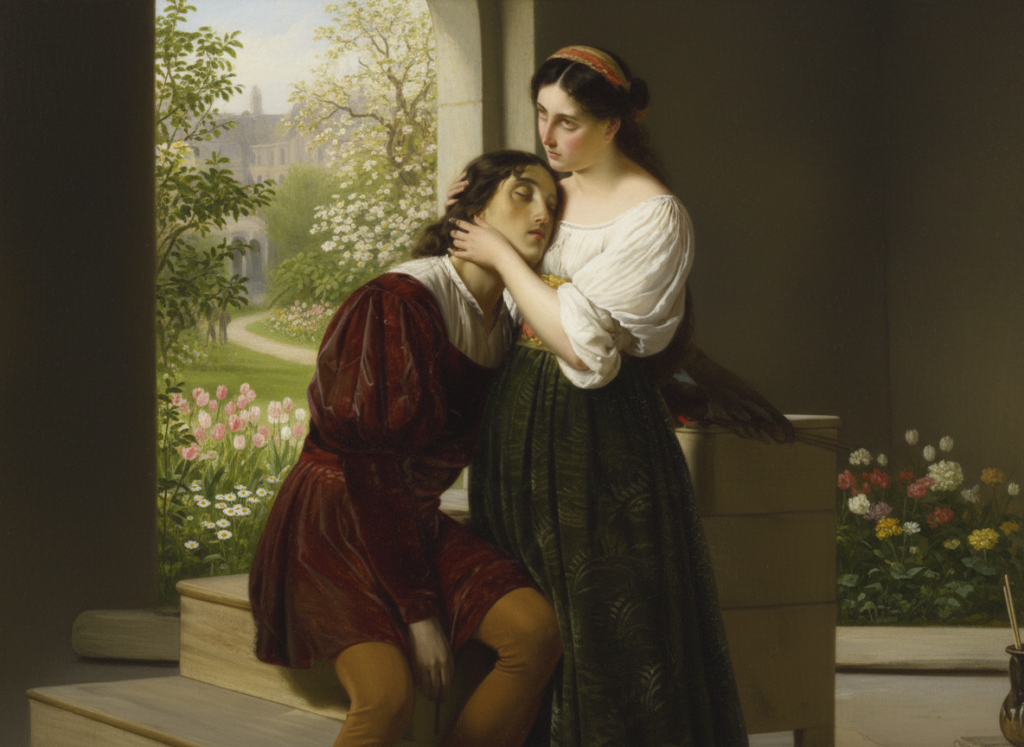
This shift influenced generations. Titian’s later portraits of women show similar intimacy. Rembrandt’s paintings of Saskia echo the same private devotion. The idea that an artist could paint someone simply because he loved her—revolutionary in 1518—became a defining characteristic of artistic genius.
Whether Vasari’s account is medically accurate matters less than what it reveals about Raphael’s reputation. His contemporaries believed his passion for this woman was so consuming it could—and did—destroy him. That belief shaped how we interpret every painting of her.
Exploring the House of Fornarina and Historical Sites
Essential Rome Locations
| Location | What to See | Best Time | Admission | Why It Matters |
| Palazzo Barberini | La Fornarina portrait | Weekday mornings | €12 | Most intimate portrait, possibly his last work of her |
| Villa Farnesina | Triumph of Galatea fresco | Early afternoon (best light) | €10 | Where they met; shows his work during courtship |
| Trastevere streets | Historic neighborhood | Evening (golden hour) | Free | Actual setting of their romance |
| Pantheon | Raphael’s tomb | Early morning | Free | His chosen resting place |
Book Palazzo Barberini tickets online at least two days ahead during peak season (April-October). Villa Farnesina requires advance booking for weekends. Photography is permitted without flash at both locations.
Wear comfortable shoes for Trastevere—cobblestones are uneven and streets steep. The walk from Piazza Santa Maria to Villa Farnesina takes 15 minutes. Though no official plaque marks the house of Fornarina, the neighborhood preserves the atmosphere of their romance.
Most tourists rush through Palazzo Barberini to see the Caravaggio. Stop. Spend twenty minutes alone with La Fornarina. Notice how her eyes follow you. That’s not technique—that’s how Raphael saw her, always watching him work. You’re experiencing his perspective.
The Mystery Behind the La Fornarina Legend
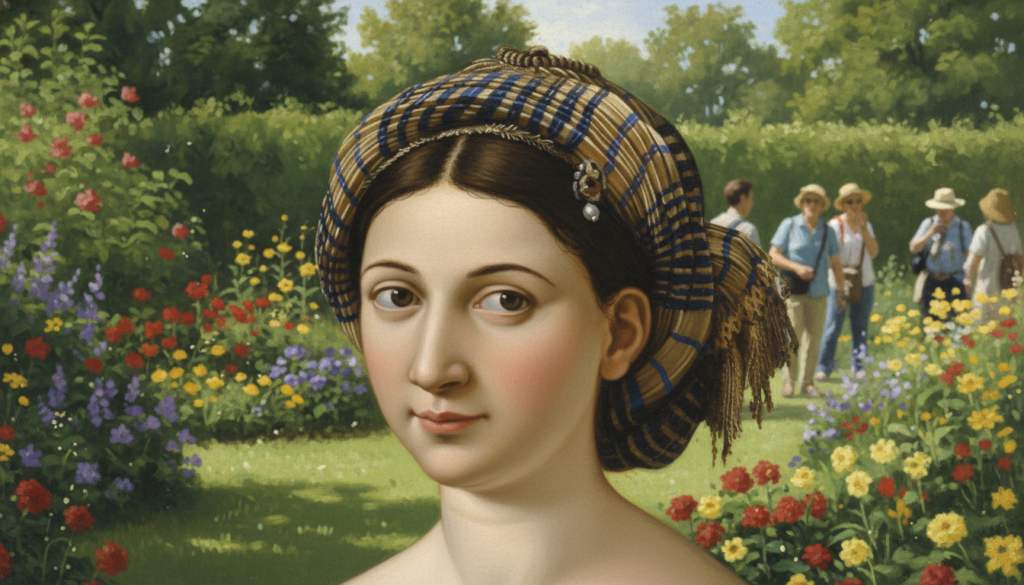
The evidence remains frustratingly incomplete. Canon law permitted secret marriages with only two witnesses. Raphael’s will refers to Margherita ambiguously. The armband inscription could signify marriage or merely possession. Documentary evidence from contemporary accounts offers conflicting interpretations. We’ll never know with certainty.
But perhaps that’s appropriate. Their relationship existed in the space between public propriety and private passion—exactly where the greatest Renaissance art was created. When you stand before La Fornarina in Palazzo Barberini, you’re witnessing the moment a 35-year-old genius looked at the woman he loved and tried to stop time.
He failed, as we all do. But the attempt—captured in pigment and panel—remains. That’s why travelers still walk Trastevere’s streets at sunset, searching for echoes of the Raphael and Fornarina legend, a love story that ended five centuries ago yet continues to inspire those who encounter this masterpiece of devotion and beauty.